
What is Single Origin Coffee?
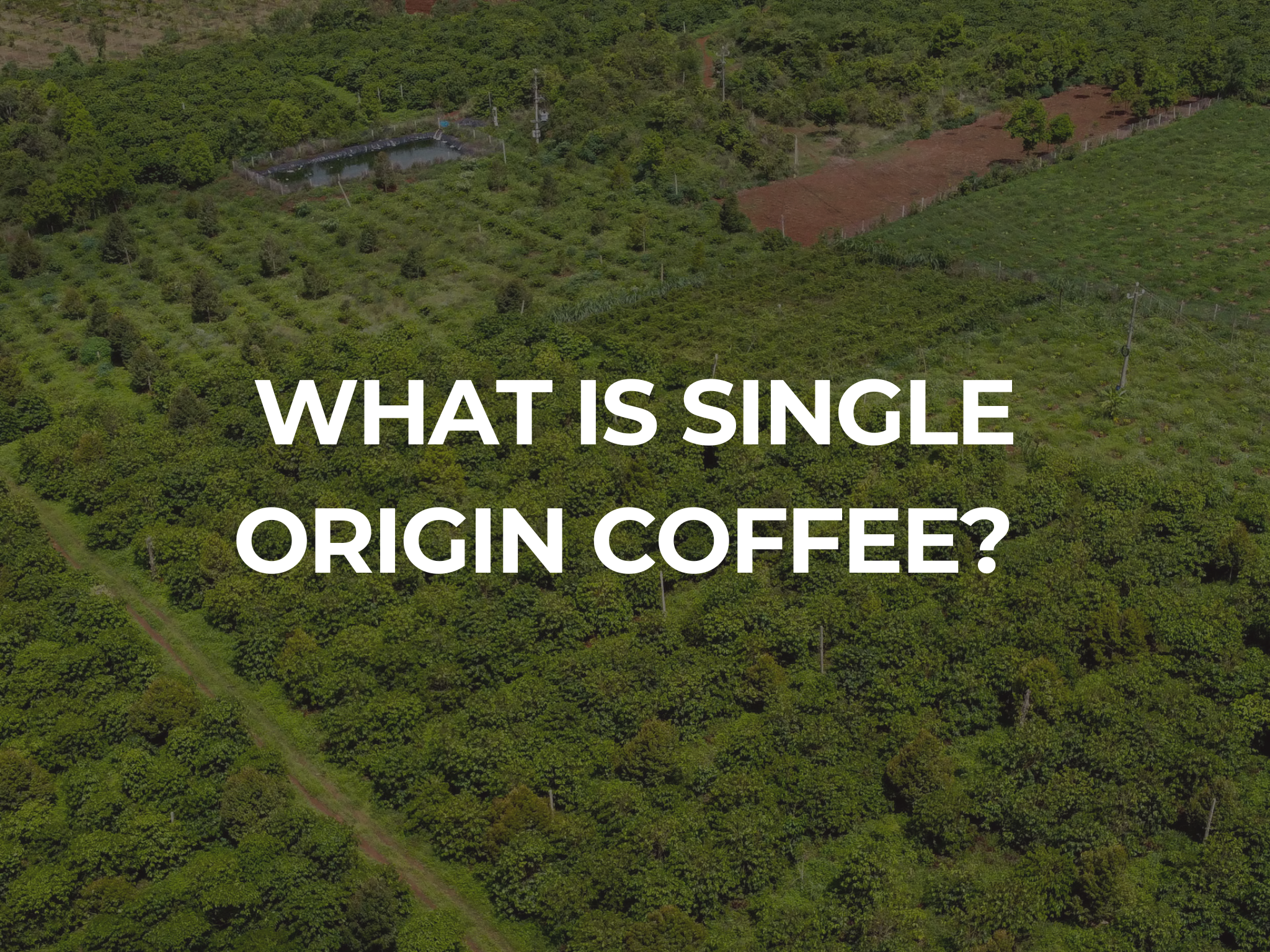
“Single-origin” is one of those coffee terms that sounds simple — until you try to define it. You’ve probably seen it on café menus or bags at your favorite roaster, usually next to the name of a country or region. But what does it actually mean, and why do people care?
What “Single-Origin” Really Means
At its core, single-origin coffee means beans that come from one specific place. That “place,” however, can vary widely. Sometimes it’s an entire country — “Vietnam” or “Colombia” — other times it’s a particular region, cooperative, or even a single farm or lot. The smaller and more specific the source, the more clearly you can taste what makes that coffee distinct.
There’s no strict industry rule for how narrow “single-origin” has to be, which is why the term is flexible. One roaster might highlight a whole region, while another might showcase beans from a single hillside. What unites them is the idea of traceability — knowing exactly where your coffee came from and what story stands behind it.
Why It Matters
Single-origin coffee appeals to people who like transparency and variety. It lets you connect with a real place and a real process. Instead of a blend designed to taste the same year-round, a single-origin batch reflects its climate, altitude, soil, and harvest conditions.
That’s also what gives these coffees their character — sometimes bright and floral, sometimes heavy and nutty, sometimes a little wild. Every origin speaks differently.
Of course, that uniqueness can come with trade-offs. Because single-origin coffee isn’t mixed with beans from other regions, its flavor can shift from one harvest to the next. For some, that’s part of the excitement; for others, it’s a reminder that coffee is a seasonal crop, not a factory product.
Single-Origin vs. Blends
A blend is about balance — taking beans from different origins and combining them for consistency or a particular taste profile. That’s how most espresso blends are built: one coffee for body, another for sweetness, maybe a third for acidity.
Single-origin coffee is the opposite. It doesn’t try to be universal; it tries to be itself. It’s not about creating harmony but about showing what one place can do on its own. When roasted and brewed well, it delivers a kind of purity that blends can’t — the sense of tasting a region’s fingerprint.
That doesn’t make it “better.” It’s just a different approach. Blends are like composed music — arranged for balance and reliability. Single-origin is more like a live performance — a bit unpredictable, but real.
What to Expect in the Cup
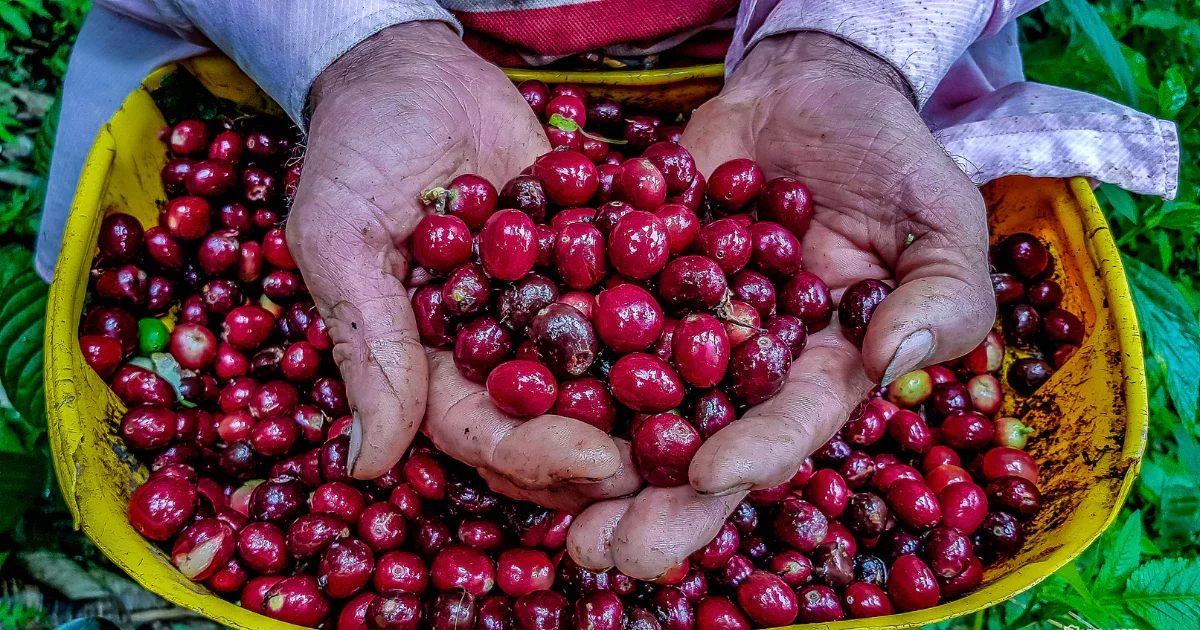
Single-origin coffee often surprises first-time drinkers. Compared to blends, it can feel sharper, more dynamic, sometimes a little eccentric. That’s the point. A Kenyan might taste like blackcurrant and tomato. A Guatemalan could lean toward chocolate and orange peel. A natural-processed Ethiopian might hit you with blueberry jam.
Final Thoughts
Single-origin coffee is about curiosity — about paying attention to where your coffee comes from and how that place changes the flavor in your cup. It’s not a badge of superiority, and it doesn’t need to be serious or snobbish. It’s simply a way to drink coffee with a bit more awareness.
Next time you’re choosing beans, try both: a familiar blend and a single-origin roasted from one farm or region. Taste them side by side. You’ll notice the difference immediately — not because one is better, but because one speaks with a single, clear voice.
FAQ
1. Is single-origin coffee always from one farm?
Not necessarily. It can mean one country, one region, or one specific farm. The more detailed the label, the narrower the origin.
2. Is single-origin the same as specialty coffee?
No. Single-origin means one source; specialty refers to quality. A coffee can be both or neither.
3. Does single-origin taste better than blends?
Not always. It’s different, not better. Single-origin shows unique character; blends aim for consistency and balance.
4. Why does the flavor change over time?
Because harvests and growing conditions vary every year. That variation is part of what makes it interesting.
