
How Does Robusta Coffee Taste?
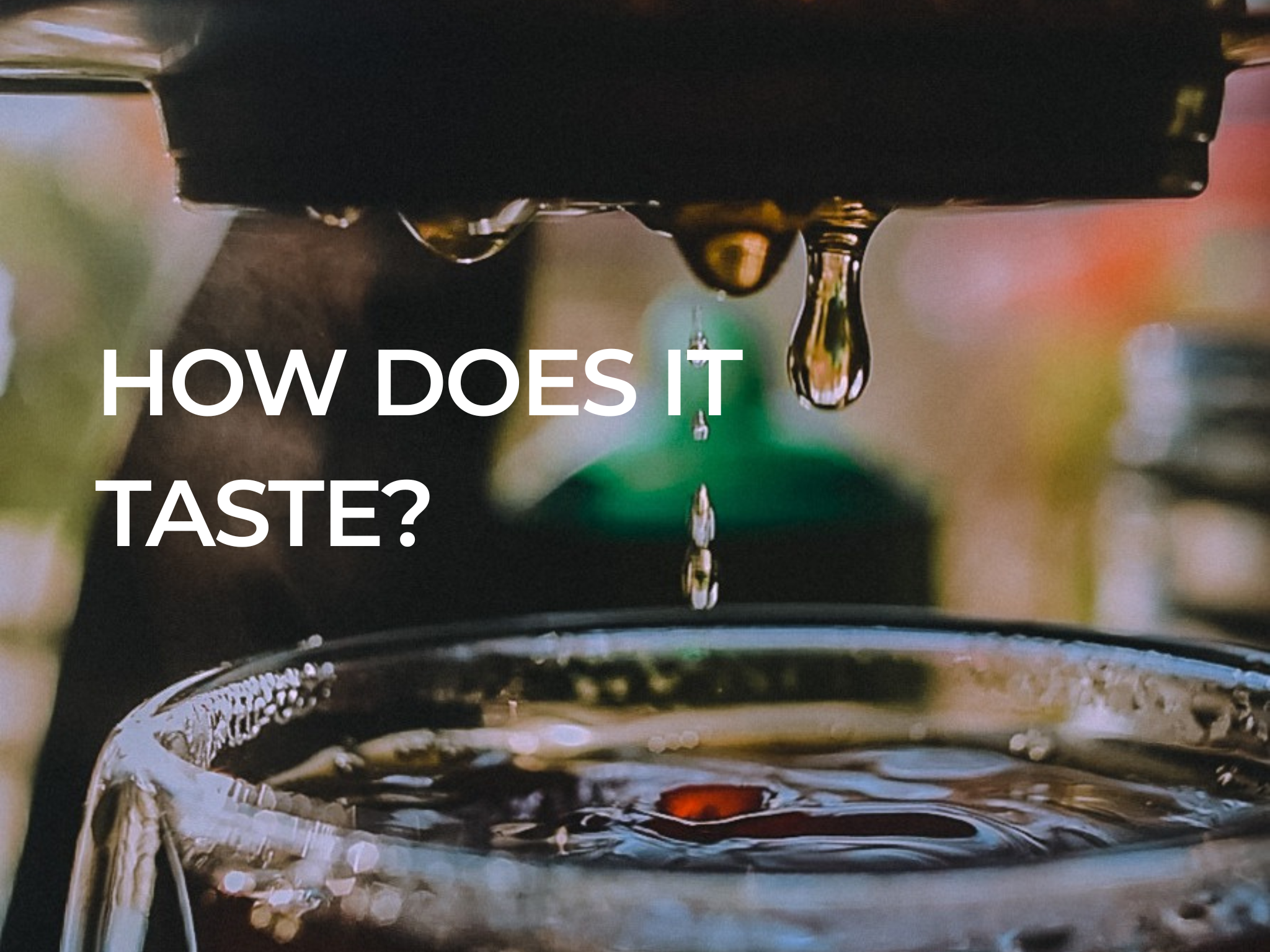
Robusta doesn’t try to be delicate. Its aroma leans toward cocoa, roasted nuts, wood, and earth. The taste is direct — less bright acidity than arabica, more bitterness, and a heavy, “coffee-forward” punch.
Where arabica dances around with fruit and floral notes, robusta stands still and looks you in the eye. The mouthfeel is dense, almost syrupy, and it lingers — that’s why a cup of robusta feels like something you really drink, not just sip.
What shapes the taste
Several things determine whether your cup of robusta will taste pleasantly intense or just plain harsh. Roast level is the first one — a medium-dark roast keeps the cocoa and nutty notes alive, while going too dark pushes it into smoke and ash. Processing matters too: washed robusta tastes cleaner and sharper, while natural (sun-dried) robusta is rounder, with a touch more chocolate sweetness.
Freshness plays a huge role. Old beans lose their energy and turn flat and rubbery, but a fresh roast gives you a vivid, structured cup. Grind size and coffee-to-water ratio also shift the experience — finer grind or higher dose means more intensity, coarser grind softens everything. Finally, the brewing method decides the texture: a phin brews slow and syrupy, espresso or moka bring out that punch, and immersion brews like French press make it rounder and softer.
Where Robusta shines
Robusta shows its best side when a coffee needs strength, not subtlety. It works perfectly in milk-based drinks, where its bitterness keeps the sweetness balanced. It gives espresso blends more body, a thicker crema, and that satisfying caffeine edge.
In Vietnamese coffee, brewed slowly through a phin, robusta develops a heavy, rich texture that defines the style. It also performs great over ice — the flavor stays bold instead of disappearing in the cold.
Try it yourself
Want to see how it plays out in real drinks? Check out our guides:
FAQ
1. Is robusta always bitter?
Not necessarily. Good robusta has a dark chocolate like bitterness. Poor quality or over-roasted beans taste harsh or burnt.
2. Does it have more caffeine than arabica?
Yes, roughly twice as much. That’s why it feels stronger and gives a longer energy boost.
3. Why is robusta cheaper?
It’s easier to grow, more resistant to pests and heat, and yields more beans per plant. But price doesn’t always mean worse quality — specialty robusta is becoming a thing now.
4. Can I brew robusta like arabica?
You can, but expect a heavier taste. If you usually drink light roasts or filter coffee, start with a blend before going full robusta.
5. Is it only used in Vietnam?
No. Vietnam is the world’s biggest robusta producer, but it’s also grown in India, Uganda, Indonesia, and Brazil. Still, Vietnam made it part of everyday coffee culture — that’s why it’s so tied to the country’s identity.
