
What is Different About Vietnamese Coffee?
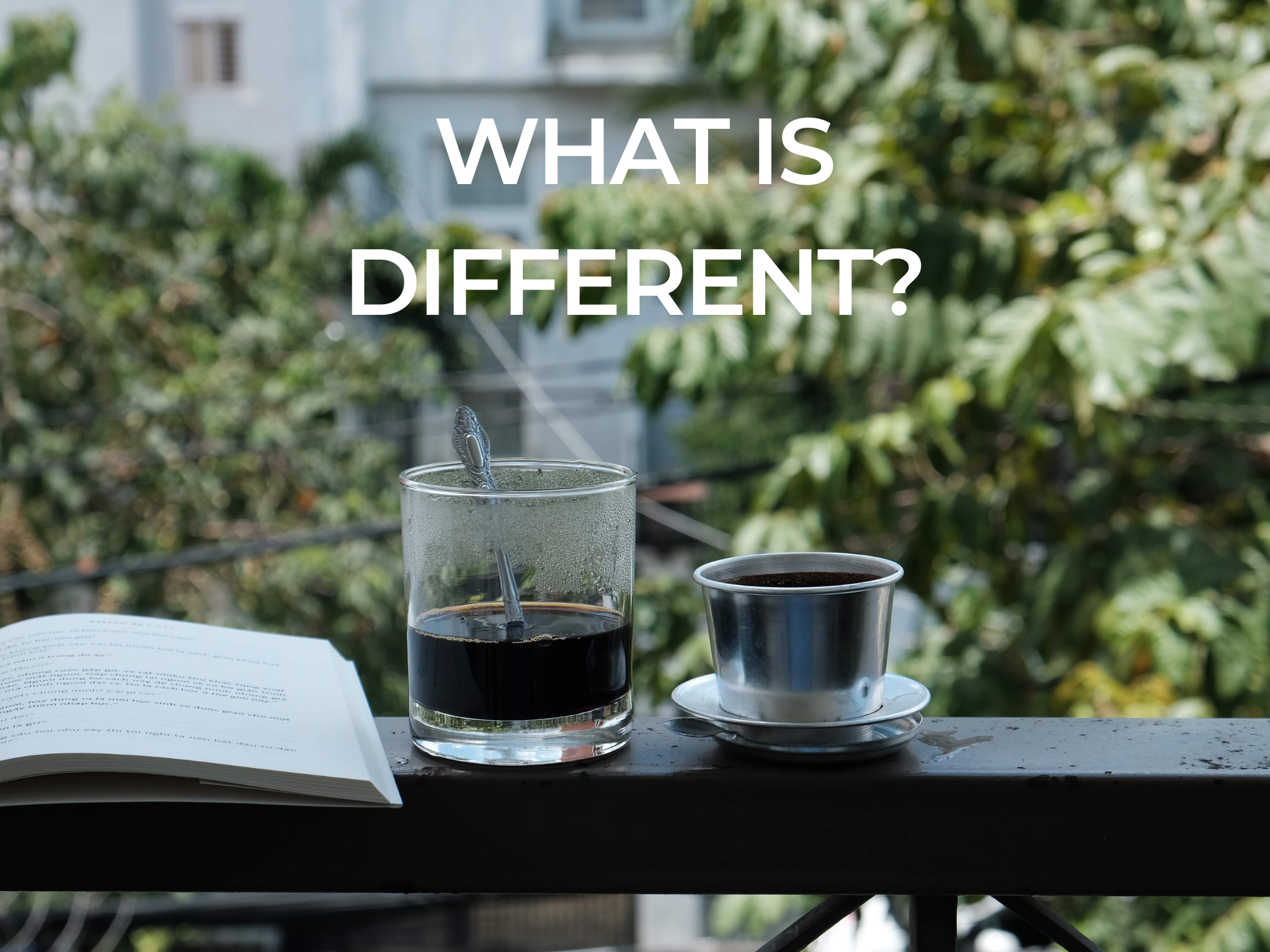
For those who have never come across Vietnamese coffee before, there can be some confusion around it. Some people think Vietnamese coffee is all about condensed milk, while others will tell you it’s only real when made with Robusta. But Vietnamese coffee is not just a drink format — it’s a big part of the Vietnamese identity. If you sit in a Vietnamese café and open the drink menu, you’ll see many different ways coffee can be prepared. And it’s all Vietnamese coffee — all different.
In this article, we’ll try to give you a sense of the tip of the iceberg of Vietnamese coffee. But keep in mind, it’s far from everything — there are many other recipes out there, maybe still waiting for their moment to come out from a small coffee shop in Hoi An.
So, Vietnamese coffee is a big part of Vietnamese culture, and more like one of the world’s culinary phenomena than just a simple recipe.
Why condensed milk?
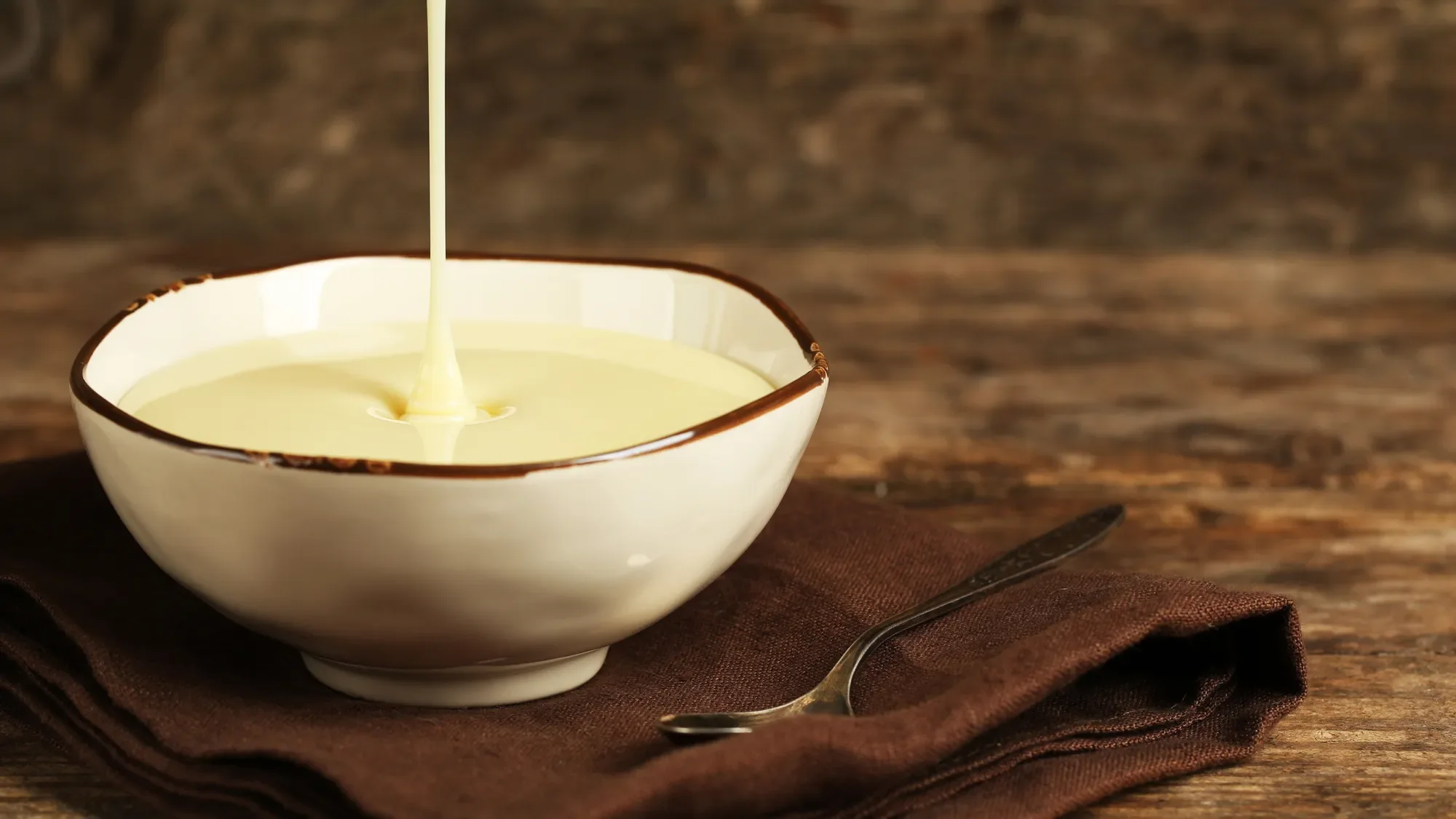
The answer lies in the history of Vietnam. Back in 1883, when the country was under French colonial rule, French colonists brought coffee plants and began cultivating them. But they quickly discovered that fresh milk was hard to find in Southeast Asia. Importing it from France wasn’t really an option, so they turned to condensed milk — it had a much longer shelf life thanks to the added sugar.
To recreate their familiar café au lait, French missionaries and settlers needed a way to soften the bitterness of strong coffee and make it more approachable for everyone. That’s how condensed milk became part of the story — and to this day, it remains deeply tied to Vietnamese coffee culture.
Beans
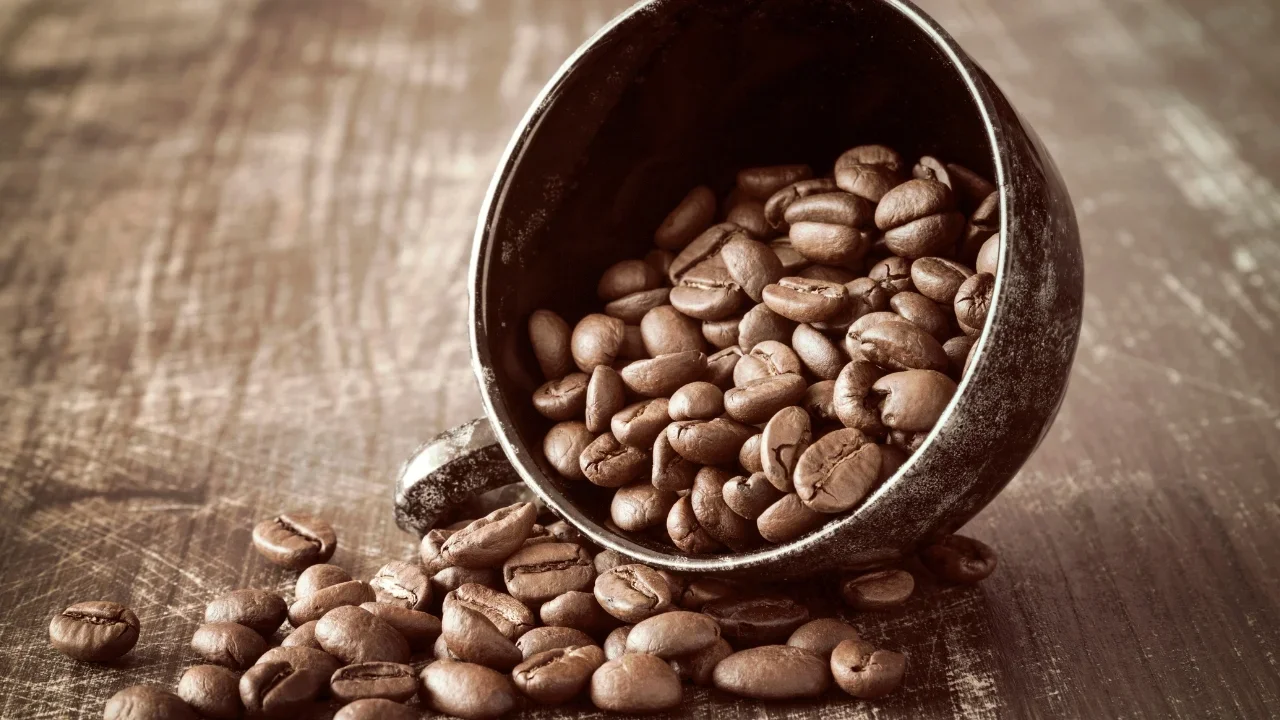
Most Vietnamese coffee is made with Robusta, not Arabica — and that’s one of the biggest differences. Robusta beans have almost twice the caffeine, a stronger kick, and a more bitter taste. It’s what gives Vietnamese coffee that bold flavor that can cut through condensed milk and still taste powerful.
If you think you’ve never tried Robusta before — you probably have. Vietnam is the second-largest coffee exporter in the world, and a huge part of what ends up in supermarket instant coffee comes straight from Vietnamese Robusta farms.
That’s why even if you’ve never been to Vietnam, chances are you’ve already tasted a little piece of it without realizing.
Tools
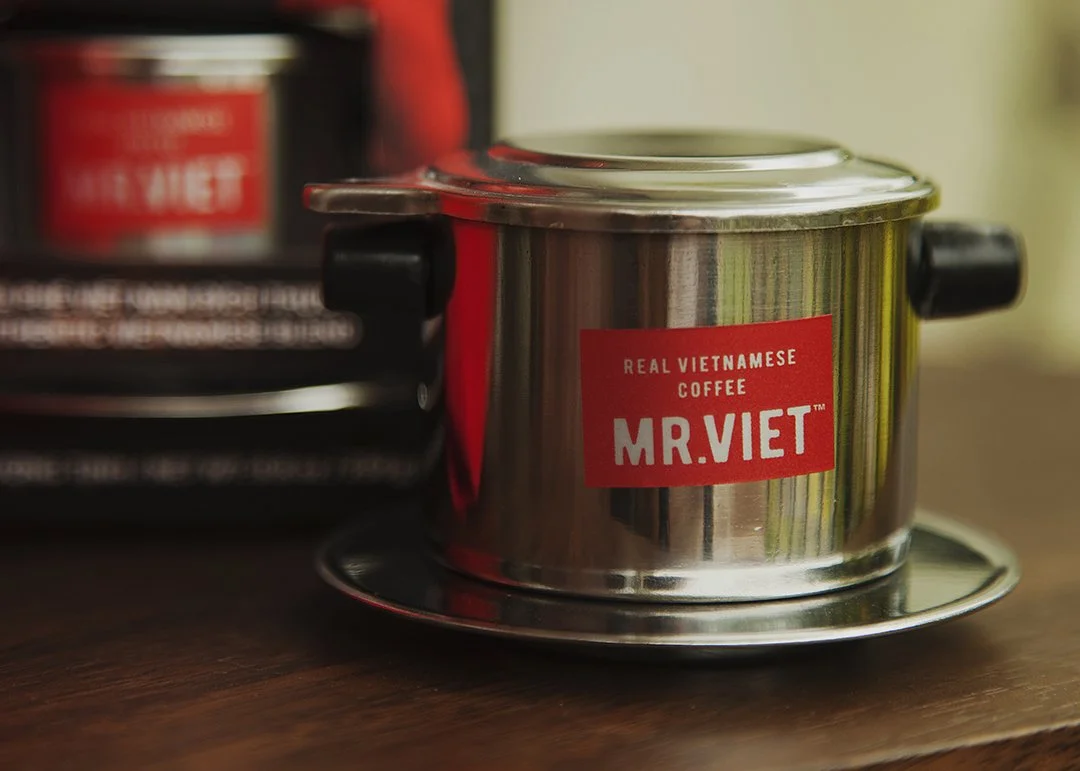
The heart of Vietnamese coffee brewing is the phin — a small metal filter that sits right on top of your cup. Just coffee, hot water, and gravity. It’s a slow process — the water drips through the grounds drop by drop, creating a pretty thick brew. That’s why the taste feels deeper and more concentrated than a regular pour-over or French press.
Everyone has their own way of using the phin. Some people line it with a paper or cloth filter for a cleaner cup, others prefer it unfiltered to keep the full, bold flavor. There’s no single “right” way — that’s part of the charm.
Flavor profile
Vietnamese coffee feels different from the first sip — thicker and stronger.. It has that heavy, syrupy body that stays on your tongue a little longer than a regular cup. Part of it comes from the way it’s brewed. The slow dripping through the phin lets the coffee fully extract, keeping all the natural oils and density inside the cup instead of a paper filter.
The result is a coffee that’s less about smoothness and more about presence — something you feel as much as you taste.
Signature drinks

As mentioned earlier, there’s no single way to define Vietnamese coffee. There’s the simple black coffee brewed through a phin — strong and straight to the point. Then the classic cà phê sữa đá, the one with condensed milk and ice, probably the most recognized version around the world. And of course, egg coffee — rich, creamy, and truly one of a kind.
But that’s just the surface. In Vietnam, you’ll also find coconut coffee, yogurt coffee, and even salt coffee — every region, every café adds its own twist. That’s the beauty of it: Vietnamese coffee isn’t just a drink, it’s a living culture that keeps reinventing itself.
Final thoughts
Vietnamese coffee is one of those things you just have to try yourself. In only a few decades, Vietnam went from a newcomer to one of the world’s biggest coffee exporters — and the story is still unfolding.
The scene keeps evolving, new recipes appear every year, and the creativity behind it doesn’t seem to slow down. So even if you’re not ready to dive in now, you probably will sooner or later. Give it time — Vietnamese coffee isn’t going anywhere. In fact, we’re just getting started.
FAQ
1. Is it always with condensed milk?
No. There’s plain black coffee (cà phê đen) and the sweet iced version (cà phê sữa đá). You choose how you like it.
2. Why is it so strong?
Because it’s usually robusta, brewed in a small phin, and roasted dark. More caffeine, heavier body, a bit of bitterness — that’s the style.
3. Do I need a phin at home?
Ideally, yes. It’s cheap, simple, and gives the right texture. Without it, you can use an AeroPress, moka pot, or espresso machine with condensed milk and ice — but it won’t taste quite the same.
4. What grind size and brew time?
Medium-fine. Let it bloom for 20–45 seconds, total drip around 3–5 minutes. If it runs too fast — grind finer or press a bit harder. If it’s stuck — go coarser or loosen the press.
5. Arabica or Robusta?
Both work. Arabica is smoother and more aromatic. Robusta is bolder, stronger, and higher in caffeine — the classic Vietnamese street vibe usually comes from it or from blends.
